


• Magna instrument Firmware development (2020-2023) - Depixus, Paris
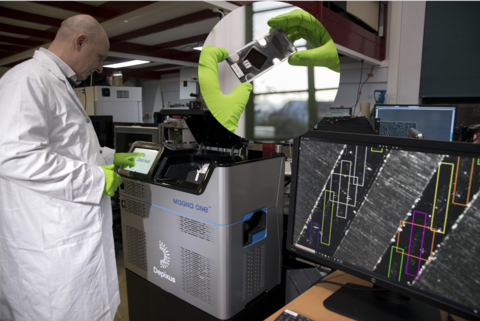
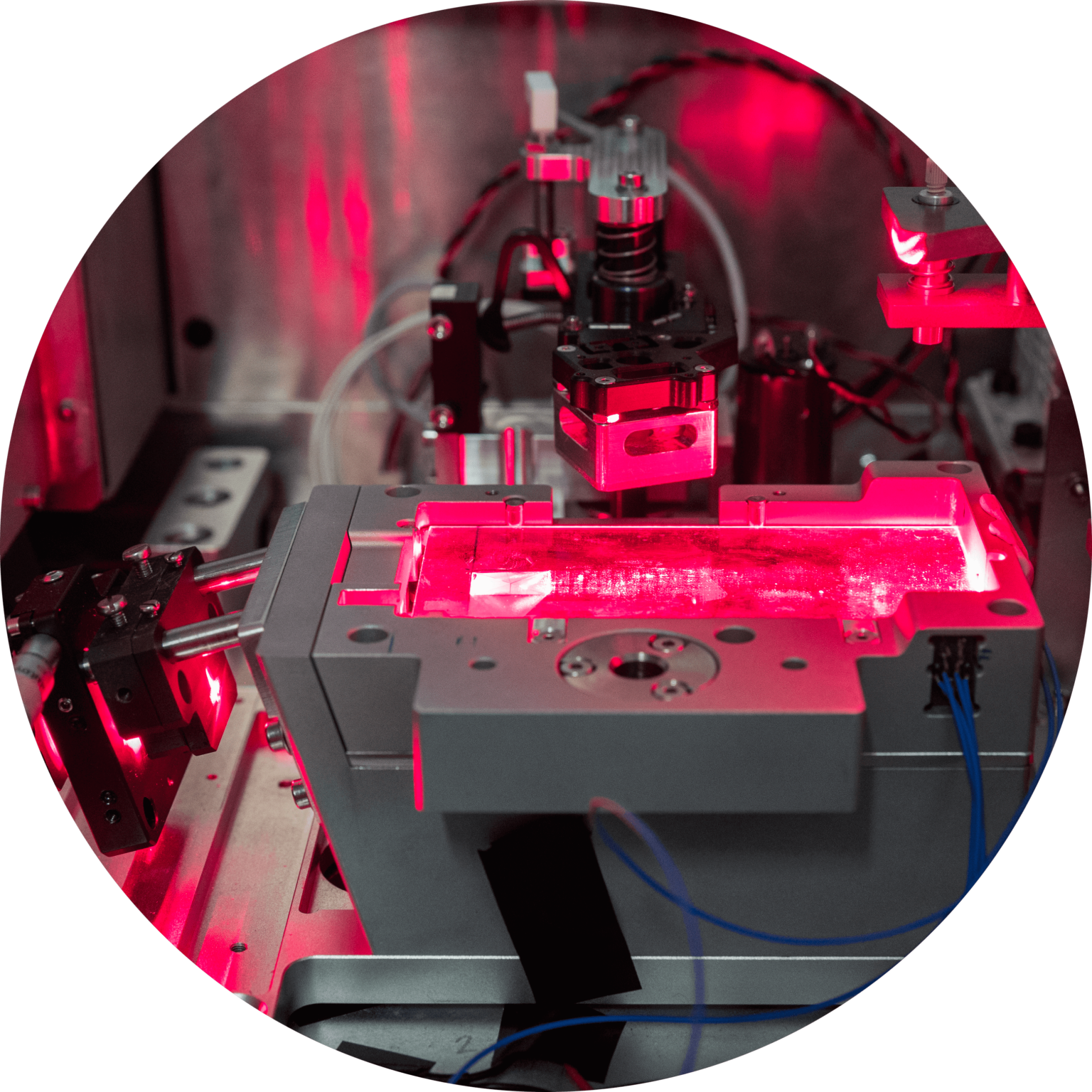
Depixus is a biotech company developing a new technology (MAGNA) for extracting advanced information from DNA/RNA fragments. Because the technology is unique, the company developed in-house a specific instrument to support it.
I contributed to this project by having the responsibility of developing the instrument firmware, which pilots most of its physical functions. Initially, I spearheaded the project independently, and later, two junior engineers joined the team under my supervision. Through collaborative efforts with other departments such as Mechanical, Electronics, and R&D, we successfully engineered a robust firmware that is now deployed on the Beta release of the instrument.
Throughout the project, my responsibilities included:
- Selecting the appropriate microcontroller model and contributing to its integration onto a printed circuit board (PCB).
- Designing and implementing an architecture based on the Active Objects pattern using the QPCPP framework suite
- Developing drivers and middleware in C and C++ for various components including IMU, Motors driver (Stepper, DC), position sensor, external ADC, RH sensor, EEPROMs, screen controller, laser controller, and temperature sensor.
- Developing numerous unit and integration tests for the active objects, drivers, and middlewares
- Creating docker images and CI pipelines on GitLab for running unit tests on the cloud and integration test on dedicated testbenches
- Implementing Scrum and DevOps methodologies within our team of three engineers, where I took on the roles of both product owner and developer.
• Teacher (January 2022 - April 2022) - ECE engineering school, Paris
I have instructed courses within the "Prototyping platform" module, designed to familiarize students with embedded systems development. I played a significant role in the preparation of the course of the module, which comprised one-fourth of theoretical lectures and the remainder in practical sessions. Students learned how to develop embedded IOT applications on an ESP32-C3 microcontroller through excercises combining communication with the AWS cloud and interaction with the peripherals connected to the microcontrollers.
Initially, exercises were conducted using Arduino, while later exercices were conducted with ESP-IDF, a framework better suited for industrial applications and offering closer interactions with hardware.